
Loading


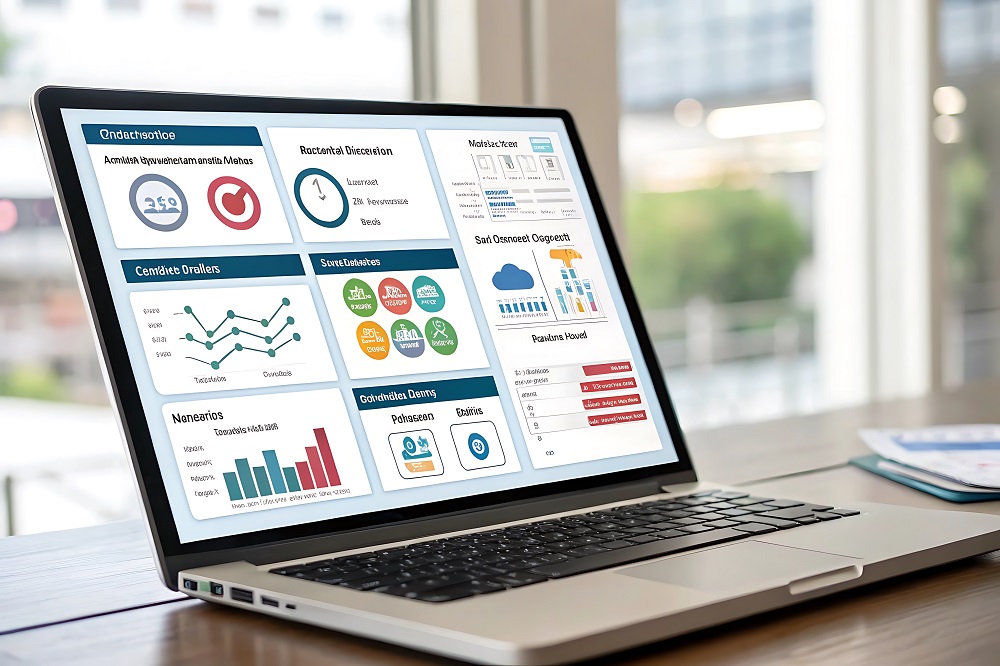
JA IT Solution Customized ERP in Bangladesh: In today's fast-paced business environment, efficiency isn't just an advantage—it's a necessity. That's where Enterprise Resource Planning (ERP) software comes in. Imagine having a single, unified system that connects every department in your organization, breaking down information silos and creating a seamless flow of data. That's the power of ERP.
An ERP system is more than just software; it's the central nervous system of your business. It integrates various functions into one complete system to streamline processes and information across the entire organization. When implemented effectively, ERP doesn't just support your operations—it transforms them.
Gone are the days of scattered spreadsheets and manual reconciliation. The accounting module transforms your financial management by:
Automating core processes like accounts payable/receivable, general ledger, and payroll
Providing real-time financial insights with customizable dashboards
Ensuring compliance with automated tax calculations and financial reporting
Improving cash flow management through integrated billing and collections
The result? Financial clarity, reduced errors, and strategic decision-making powered by accurate, up-to-date data.
Whether you're manufacturing products or managing retail stock, the inventory module provides unprecedented control:
Real-time tracking of stock levels across multiple locations
Automated reordering based on customizable threshold levels
Streamlined warehouse operations with barcode scanning and mobile access
Integrated demand forecasting that connects sales data with inventory planning
The transformation? Reduced carrying costs, minimized stockouts, and optimized warehouse space utilization.
Your customers are your most valuable asset. The CRM module helps you build stronger relationships:
360-degree customer view consolidating interactions across sales, service, and marketing
Sales pipeline management that tracks opportunities from lead to close
Automated marketing campaigns with segmentation and performance analytics
Customer service tracking with ticketing systems and knowledge bases
The impact? Increased customer retention, higher sales conversion rates, and data-driven marketing strategies.
Your team drives your success. The HR module modernizes people management:
End-to-end employee lifecycle management from recruitment to retirement
Automated payroll and benefits administration
Performance management systems with goal tracking and reviews
Self-service portals for employees to manage leave, expenses, and personal information
The benefit? Reduced administrative burden, improved employee satisfaction, and strategic workforce planning.
While each module delivers significant value independently, the true power of ERP emerges when they work together:
Sales to Accounting: A closed deal in CRM automatically generates an invoice in accounting
Inventory to Sales: Real-time stock visibility prevents overselling
HR to Accounting: Employee timesheets flow directly into payroll processing
Accounting to Inventory: Purchase orders automatically update financial records
This interconnectedness eliminates data duplication, reduces errors, and provides leadership with a holistic view of business performance.
Consider ERP if you're experiencing:
Multiple disconnected systems requiring manual data transfer
Difficulty accessing real-time business information
Inefficient processes causing delays and errors
Limited visibility across departments
Challenges scaling operations
A successful ERP implementation begins with:
Clear objectives - What specific problems are you solving?
Phased rollout - Start with critical modules, then expand
Comprehensive training - Invest in your team's proficiency
Ongoing optimization - Continuously refine processes
Investing in an integrated ERP system isn't just about solving today's challenges—it's about building a foundation for tomorrow's growth. As your business evolves, your ERP system scales with you, adding new capabilities and modules as needed.
In an increasingly competitive landscape, the integrated visibility and efficiency provided by ERP software isn't a luxury—it's essential infrastructure for sustainable growth. By connecting your accounting, inventory, CRM, and HR functions, you're not just streamlining operations; you're creating a smarter, more responsive, and more competitive organization.